
About
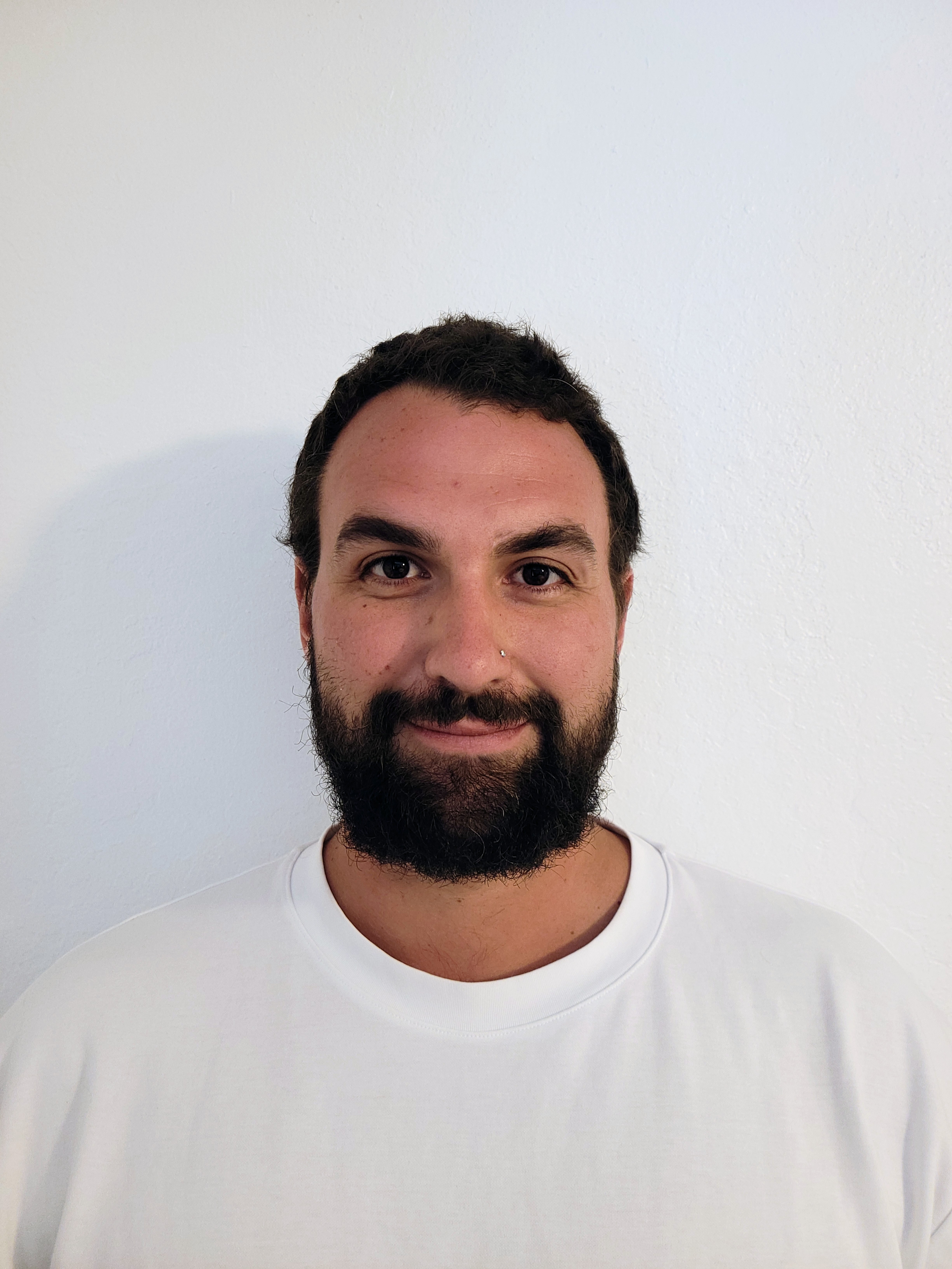
M.S. Learning Design & Technology, University of San Diego · Expected Dec. 2026
Instructional Design · Student Success · Curriculum · Ed-Tech Prototyping
Background
M.S. Learning Design & Technology, University of San Diego · Expected Dec. 2026 I apply instructional design methods to real learner problems—like helping students move from confusion to independent action.
My path into learning design draws on psychology (cognition, motivation, and learning science), education and public service (supporting diverse learners in real program contexts), and years of facilitation through hospitality and community experiences like Wine With Pete.
I also build web and product prototypes—translating learning design into working tools, not just documents.
What I bring to learning roles
- Instructional design. Learning flows, job aids, e-learning prototypes, and structured supports grounded in graduate coursework.
- Student success & coaching. Tools and environments that support self-regulation, reflection, and persistence between moments of instruction.
- Facilitation & experience design. Creating contexts—physical and digital—where people engage, reflect, and take meaningful action.
- Ed-tech prototyping. AI-supported learning tools, rapid interface exploration, and hands-on implementation.
Design. Facilitate. Build.
A combination employers can use: instructional structure for clarity, facilitation for engagement, and prototyping for delivery.
Sequencing, scaffolding, job aids, and learning flows—turning complexity into usable structure for learners.
Community gatherings, atmosphere, and conversation design—shaping how people engage, reflect, and connect.
Ed-tech prototypes and learning ventures—PMBaseline, MentorHub, and Open World Learning Lab—spanning student support, reflection, and place-based learning design.
Web and product building—translating learning design into working prototypes and shipped experiences.
Download my resume for education, projects, research, and relevant experience across learning design, facilitation, and product work.
Contact Peter
Open to instructional design, learning design, student success, curriculum, academic coaching, and ed-tech opportunities. I welcome internships, contract work, and full-time roles.